
You may monitor specific resources with sensitive content, where it is important to receive alerts about changes and performance issues.
On the AimBetter Configuration, go to the Connection tab to add a new connection. If you have not installed the AimBetter Agent, check the Installation Guide.
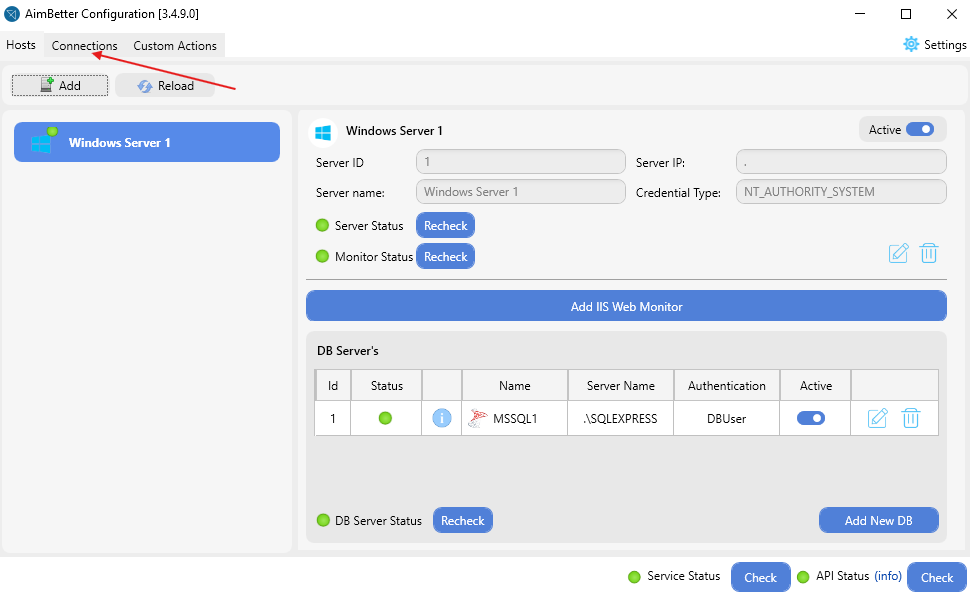
You can add these resource types in the Connections monitoring: IP, URL, Folder, Database, Drive, File, and SQL Query.
These resources don’t need to be on the same servers that are configured for Host and Database monitoring.
AimBetter Agent Service Settings
Ensure that the Windows OS user (Windows OS Administrator or Minimal-privilege User) has full access to the resource to be added to Connection monitoring.
Add Connection
- Click on Add in the Connections tab to add the connection to be monitored

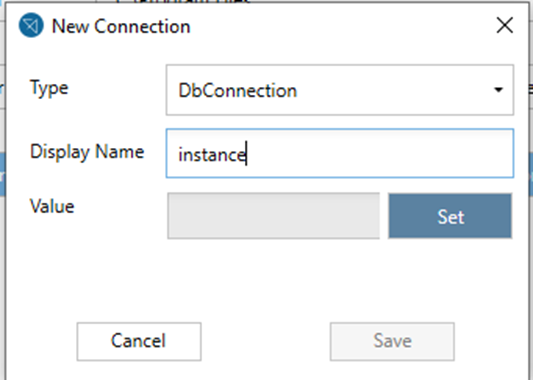
- Fill in the connection details and click on Save:
- Type – Choose the connection type from the list
- Display Name- Name to be displayed on the UI
- Value – Correct value of the selected connection
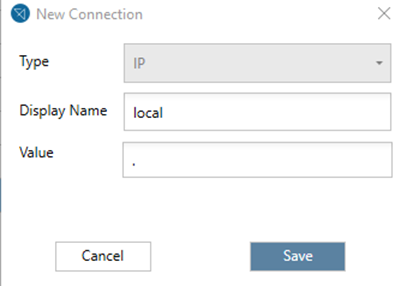
IP Connection
- The AimBetter Agent Service must have the necessary credentials to ping the selected server. You can check this by opening the CMD and typing ping *IP* . If the ping was successful, you should get 4 rows with true ping time.
- Insert the correct IP address or a dot (.) if the AimBetter Agent is installed locally on the monitored server.
URL Connection
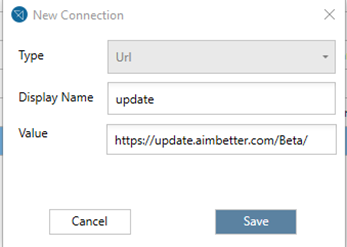
- Make sure that the Agent Server (where the AimBetter Agent is installed) has an Internet connection.
- Enter the required URL in HTTP format (https://website)
Folder Connection
- Make sure the AimBetter Agent Service has credentials with full access to the folder and its contents.
- For a local folder, insert the folder name in the format: drive:\folder\
For example, C:\Program Files\
- For a remote folder, insert the folder name in the format: \\servername\drive$\folder
For example: \\servername\C$\Program Files\
File Connection
- Make sure that the AimBetter Agent Service has credentials with full access to the file.
- For a file in a local folder, insert the file name in the format: drive:\folder\file.filetype
For example: C:\Program Files (x86)\AimBetter\Monitor\Agent\MonTarget.Agent.exe
- For a file in a remote folder, insert the file name in the format: \\servername\drive$\ folder\file.filetype (instead of the server name, you can insert the IP). For example: \\myserver\c$\folder\file\file.type
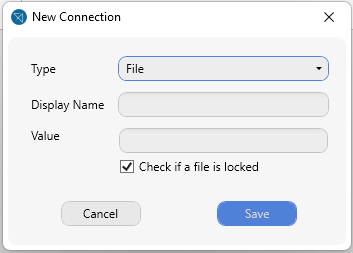
- By default, the Check if a file is locked option is enabled. When enabled, the connection calculates and compares the file’s hash to detect any changes in its contents. While this provides a reliable way to identify content modifications, the hash calculation may temporarily lock the file during the check, depending on the file and environment.
- If your goal is only to verify that the file exists and monitor changes to its size, not whether its contents have changed, you can disable this option. This avoids the hash calculation and eliminates the possibility that the monitoring process will temporarily lock the file.
Database Connection
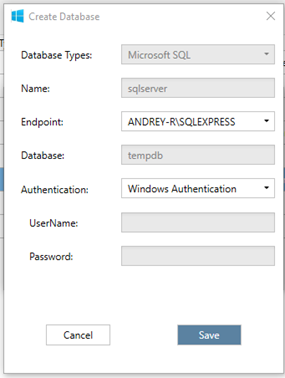
- Fill in all the Database details and click on Set.
- Choose the instance type, Microsoft SQL or Oracle, and fill in the details to establish a connection to the instance.
Drive Connection
- Make sure that the AimBetter Agent Service has credentials with full access to the drive and its content.
- For a local drive, insert the drive name in the format: drive:\
For example, C:\
- For a remote drive, insert the drive name in the format: \\servername\drive$\
For example: \\127.0.0.1\C$\
SQL Query Connection
- Select “SQL Query” in the Type field

- Click “Edit” beside the Value field and insert the correct details of the SQL instance on which the monitored query runs. Click on save.
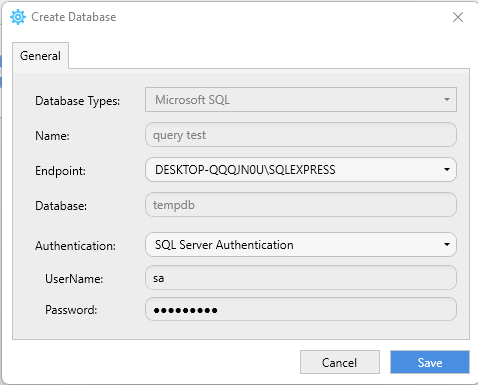
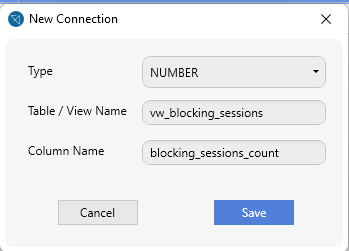
- Click “Edit SQL Query” and insert the SQL Query details:
- Type: the type of expected output
- Table/View Name: the exact name of the table or view saved in the monitored database
- Column Name: The name of the column from which the value should be checked and alert according to the determined threshold and condition (larger or smaller than)
Check some useful examples of SQL query scripts for the SQL Query Connection.
Final Step
- Click on Reload to ensure that all servers are in an operational state
- Check that all the lights are green
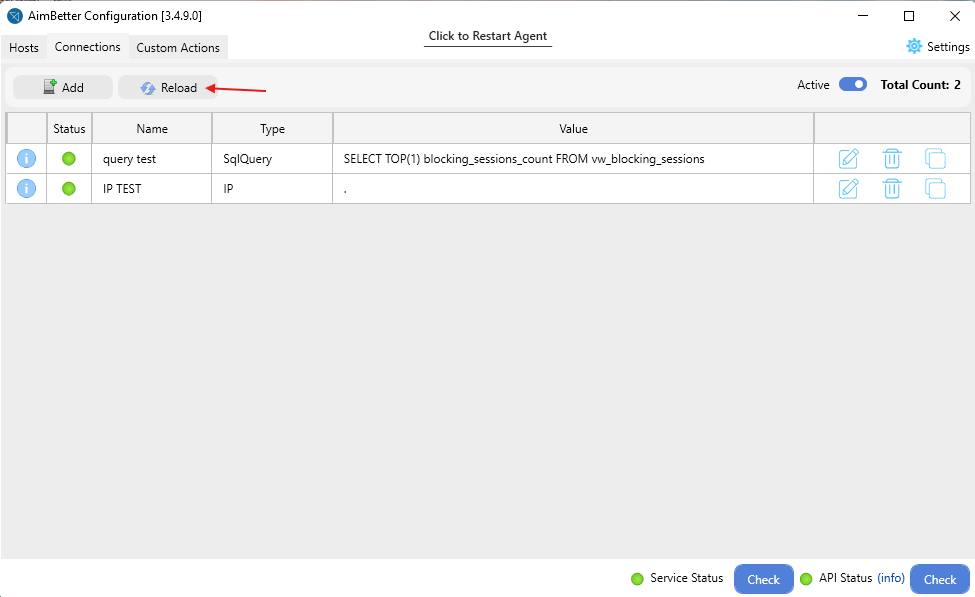
- If any lights are red, please check the Troubleshooting session or contact our support team at [email protected].
- Finish the Installation by closing the AimBetter configuration window.

 +1 (650) 449-8622